

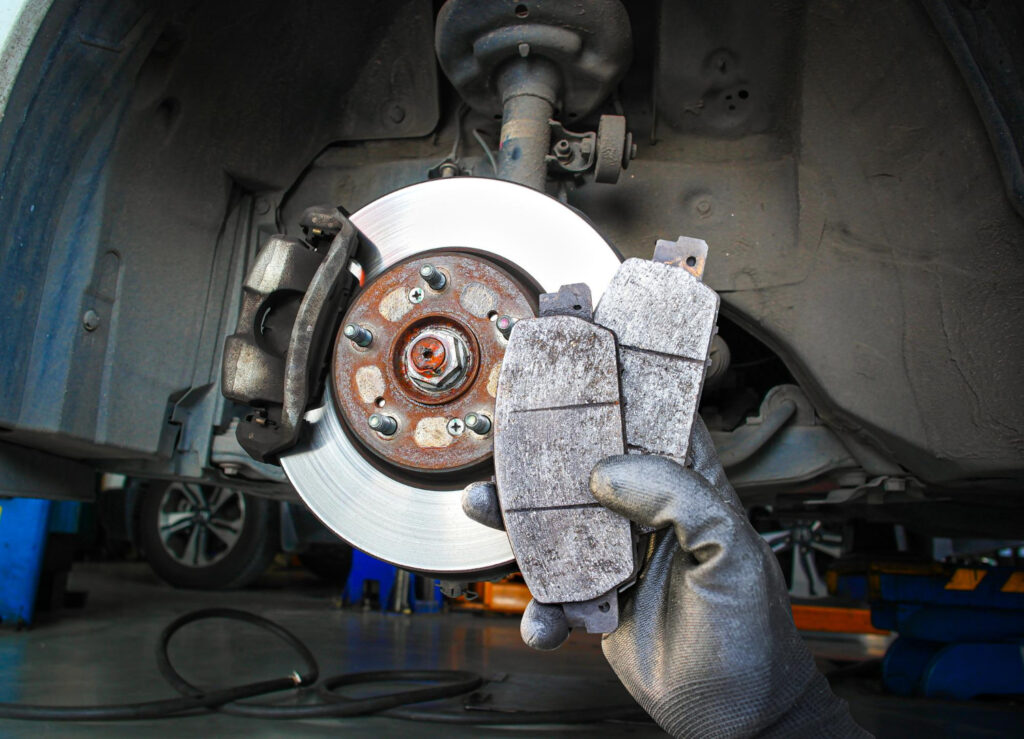
The hydraulic brake system plays an important role in road safety, converting driver input into braking force through fluid pressure. Unlike other brakes, hydraulic brakes operate on the principle of pressure transfer, in which the force from the brake pedal is evenly distributed to all four wheels. The professional car brakes repairing shop focuses on maintaining fluid pressure to ensure optimal brake efficiency.
An organized car brake repair service doesn’t just change old components. It is a systematic process that considers fluid dynamics and component wear.
Pressure Transmission and Fluid Integrity
The efficiency of the hydraulic brake system depends on the brake fluid used and how well it transmits pressure without leaking. Brake fluid is hygroscopic, drawing moisture from the atmosphere; consequently, its boiling point decreases.
There is a specific car brake repair service that tests the fluid for contamination and moisture. In a professional car brake repair workshop, technical experts determine whether the fluid maintains the same pressure throughout the entire system.
Master Cylinder Performance Analysis
The master cylinder acts as the primary source of hydraulic pressure. Any internal leakage or seal failure can result in reduced braking efficiency or a spongy pedal feel.
At a licensed car brake repair facility, the master cylinder is checked to ensure uniform pressure and for any wear and tear. Pressure testing is part of a comprehensive car brake repair process that ensures the cylinder delivers uniform performance across multiple braking cycles.
Brake Line Inspection and Leak Detection
Brake lines carry pressurized fluid from the master cylinder to the wheel assemblies. Even minor leaks or corrosion can significantly reduce system effectiveness.
A professional car brakes repairing service uses visual and pressure-based analysis of the brake lines. The professionals at a reliable car brake repair workshop inspect the brake lines for microscopic leaks, rust, and any weakness that may cause failure.
Caliper Function and Force Distribution
Brake calipers convert hydraulic pressure into mechanical force, pressing the brake pads against the rotors. Uneven caliper movement can cause inconsistent braking and vehicle instability.
An advanced car brakes repairing service evaluates caliper piston movement, seal condition, and alignment. At a qualified car breaks repairing shop, technicians ensure that both sides of the braking system apply equal force. This balance is essential for maintaining directional control during braking.
Rotor and Pad Interaction Analysis
Friction for stopping a car depends on the relationship between the rotors and the brake pads. When there is uneven wear or surface damage, friction decreases.
A full-service car brake repair shop measures rotor thickness, inspects the rotors and brake pads, and examines the brake pads. With a thorough car brake repair process, problems such as glazing or warping will be identified.
ABS Integration and Sensor Diagnostics
In today’s hydraulic brake systems, ABS technology has been incorporated. This technology prevents wheels from locking when one brakes suddenly. The ABS uses sensors to operate.
A complete car brake repair service includes scanning ABS sensors, checking signal accuracy, and ensuring proper communication with the control unit. At a professional car breaks repairing shop, technicians verify that the hydraulic and electronic systems work together seamlessly to maintain stability and control.
Pedal Feel and Response Calibration
Brake pedal feedback can reveal crucial information regarding the condition of your car’s brakes. Soft feedback usually indicates underlying problems with the hydraulic system.
When undertaking car brake repairs, it is important to consider pedal performance. This includes checking their pressure sensitivity. An expert car repair shop will calibrate your car’s brake system.
Conclusion
Diagnosing a hydraulic braking system requires specialized knowledge, equipment, and an analytical approach. At a reputable car brakes repairing shop, all parts of the system work in tandem to deliver maximum results.
A car owner can derive numerous benefits from using a systematic car break repair facility. The key benefits include enhanced functionality, improved safety, and longevity of parts used in the braking system.